Traveling Through Europe on Under $50 a Day: A Realistic Breakdown

James Whitfield
24 June 2026
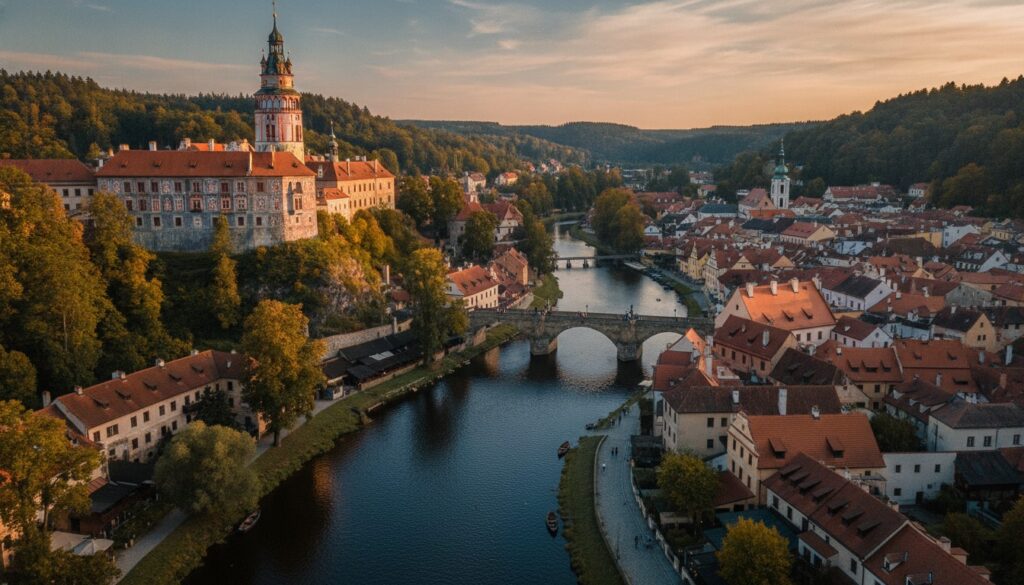
Traveling Through Europe on Under $50 a Day: A Realistic Breakdown
Think Europe is too expensive? Think again. I’ve spent months crisscrossing the continent on a shoestring budget, and I can tell you with absolute confidence: you can explore Europe for under $50 a day — and still have an incredible experience. From affordable hostels in Lisbon to free walking tours in Prague, from street food in Istanbul to sunset picnics along the Seine, budget travel in Europe isn’t about deprivation. It’s about being smart, flexible, and open to adventure.
In this detailed breakdown, I’ll show you exactly where your money goes, which destinations stretch your euros the furthest, and the practical strategies that make sub-$50 daily budgets not just possible, but genuinely enjoyable.
Understanding the $50-a-Day Budget Framework
Before we dive into specifics, let’s establish what $50 a day actually covers. We’re talking about three core categories:
- Accommodation: $10–$20 per night
- Food: $10–$20 per day
- Transportation & Activities: $10–$20 per day
- Budget-Friendly (Under $35/day easily): Portugal, Spain, Poland, Czech Republic, Hungary, Romania, Bulgaria, Greece, Turkey, the Balkans
- Moderate ($40–$55/day with effort): Germany, France, Italy, Austria, Ireland
- Expensive ($55+ unless you’re very disciplined): Switzerland, Norway, Sweden, Denmark, Iceland
- Lisbon: $12–$18/night
- Prague: $8–$15/night
- Budapest: $8–$14/night
- Berlin: $14–$22/night
- Barcelona: $15–$22/night
- Couchsurfing: Completely free and an incredible way to meet locals. It requires effort — write personalized requests, maintain a complete profile, and leave reviews. But when it works, it’s magic.
- House-sitting: Platforms like TrustedHousesitters connect you with homeowners who need pet or property care while they’re away. Free accommodation in exchange for responsibility.
- Camping: Many European cities have campgrounds within public transit distance. A tent pitch can cost as little as $5–$10/night.
- Work exchanges: Sites like Workaway and WWOOF offer free room and board in exchange for 4–5 hours of daily work. Perfect for slow travelers.
- Fresh bread: $0.50–$1.00
- Local cheese: $1.50–$3.00
- Seasonal fruit: $1.00–$2.00
- Pasta + sauce: $1.50–$2.50
- Lisbon: Bifana (pork sandwich) for $2.50, pastéis de nata for $1
- Prague: Trdelník for $3, svíčková at a local pub for $5–$7
- Istanbul: Döner kebab for $2, simit for $0.50
- Budapest: Lángos for $2, goulash at a market hall for $4–$6
- Rome: Pizza al taglio (by the slice) for $2–$4, supplì for $1.50
- Eat your big meal at lunch. Many European countries offer significantly cheaper lunch specials.
- Carry a reusable water bottle. Tap water is safe and free in most of Western and Central Europe.
- Visit local markets. Farmers’ markets and food halls offer fresh, affordable meals and ingredients.
- Avoid restaurants on main squares. Walk two blocks in any direction and prices drop dramatically.
- Happy hour is your friend. Many bars offer free or cheap tapas with drink purchases, especially in Spain and parts of Italy.
- Walk. Most European city centers are compact and walkable. You’ll see more and spend nothing.
- Use public transit wisely. Buy day passes or multi-ride tickets instead of single fares. In cities like Berlin, a day pass costs about $8 and covers unlimited travel.
- Rent bikes. Many cities offer cheap bike-sharing programs. In Amsterdam, Copenhagen, or Barcelona, cycling is often the fastest and cheapest way to get around.
- Free walking tours: Available in virtually every major European city through companies like SANDEMANs or GuruWalk. They operate on a tip-based model — pay what you feel the tour was worth ($5–$10 is standard).
- Museums with free entry days: The Louvre is free on the first Saturday evening of each month. London’s British Museum, National Gallery, and Tate Modern are always free. Many European museums offer free entry for under-26 travelers.
- Parks and gardens: From Barcelona’s Park Güell (free in early morning) to Vienna’s Schönbrunn Gardens, Europe’s green spaces are stunning and cost nothing.
- Churches and cathedrals: Notre-Dame (when reopened), St. Peter’s Basilica, and countless Gothic cathedrals across Europe are free to enter.
- Street art and neighborhoods: Berlin’s East Side Gallery, Lisbon’s Alfama district, Athens’ Anafiotika — wandering interesting neighborhoods costs nothing but time.
- The Alhambra in Granada: ~$16 — absolutely unmissable
- Anne Frank House in Amsterdam: ~$16 — deeply moving
- Thermal baths in Budapest: ~$20 — the Széchenyi Baths are iconic
- A cooking class in a local’s home: $20–$40 through Eatwith or Airbnb Experiences
- Skyscanner & Google Flights: Find the cheapest flights with flexible date searches
- Hostelworld & Booking.com: Compare accommodation prices and read reviews
- FlixBus & Omio: Book affordable bus and train tickets across Europe
- BlaBlaCar: Ridesharing for intercity travel
- Too Good To Go: Buy surplus food from restaurants and bakeries at 60–70% off
- Wise (formerly TransferWise): A multi-currency debit card with real exchange rates and no foreign transaction fees
- Maps.me or Google Maps offline: Navigate without data charges
- Couchsurfing & Workaway: Free accommodation options
- Eating in tourist zones. That pasta near the Colosseum costs triple what it should. Walk 10 minutes away.
- Not booking transport in advance. A train ticket bought day-of can cost 5x more than one booked a month ahead.
- Paying ATM fees. Use a no-fee card like Wise or Charles Schwab and always decline dynamic currency conversion.
- Over-planning activities. You don’t need to see everything. Slow down, and your wallet (and sanity) will thank you.
- Ignoring free breakfast. That hostel breakfast you skip is $5–$8 you’re throwing away every single morning.
- Pick your dates and set a total trip budget based on $50/day
- Choose 3–5 destinations mixing budget-friendly and moderate cities
- Book your first flight using Skyscanner’s flexible search
- Reserve your first hostel — look for ones with free breakfast and a kitchen
- Download your apps (Maps.me, Wise, FlixBus, Too Good To Go)
Pro Tip: Track your spending daily using a free app like Trail Wallet or TravelSpend. Knowing exactly where your money goes is the single most powerful budget travel habit you can develop.
The Golden Rule: Choose Your Destinations Wisely
Not all European countries are created equal when it comes to cost. Here’s a rough tier system:
Accommodation: Sleeping Well Without Breaking the Bank
Accommodation is typically the biggest expense for any traveler, but Europe offers a surprising range of affordable options if you know where to look.
Hostels: Your Best Friend
Hostels remain the backbone of budget travel in Europe. A dorm bed in a well-reviewed hostel typically costs:
Alternative Accommodation Strategies
Budget Hack: If you’re traveling as a couple, private rooms in hostels or budget guesthouses often cost $30–$40 total — that’s $15–$20 per person, which is competitive with dorm beds and far more comfortable.
Food: Eating Like a Local Without Tourist Trap Prices
Food is where many budget travelers either thrive or fail. The secret isn’t eating less — it’s eating smarter.
The Three-Tier Eating Strategy
Tier 1: Self-Catering ($3–$5/day)
Every hostel has a kitchen. Use it. Visit local supermarkets like Lidl, Aldi, Mercadona (Spain), or Biedronka (Poland) for incredibly cheap groceries. A typical self-catered meal might include:
Tier 2: Street Food & Local Eateries ($3–$8/meal)
Every European city has affordable local food if you step away from the main tourist streets:
Reserve these for special occasions or when you want to experience a city’s culinary culture. Look for lunch menus (menú del día in Spain, pranzo specials in Italy) — restaurants often offer two or three courses for $8–$12 at lunch, while the same meal costs double at dinner.
Food Budget Tips That Actually Work
Transportation: Getting Around Europe on a Budget
Transportation can either be your biggest expense or your biggest savings — it all depends on planning.
Between Cities
Budget Airlines:
Carriers like Ryanair, Wizz Air, and easyJet regularly offer flights for $10–$30 if you book 4–8 weeks in advance and travel with only a personal item. Be ruthless about baggage — pack light and you’ll fly for pennies.
Buses:
FlixBus is the budget traveler’s best friend. Routes across Europe start at $5–$15, with free WiFi and comfortable seats. An overnight bus also doubles as free accommodation.
Trains:
While not always the cheapest option, trains offer incredible value in certain countries. Deutsche Bahn’s regional day tickets, Renfe advance fares in Spain, and Trenitalia economy tickets can all be surprisingly affordable when booked early.
Ridesharing:
BlaBlaCar connects drivers with empty seats to passengers heading the same direction. It’s often cheaper than buses and more social.
Within Cities
Money-Saving Move: Plan your route to minimize backtracking. A logical geographic path (e.g., Lisbon → Madrid → Barcelona → Nice → Rome → Venice → Vienna → Prague → Berlin → Amsterdam) saves hundreds compared to zigzagging across the continent.
Activities & Experiences: Seeing Europe Without Paying a Fortune
Here’s the beautiful truth about Europe: many of the best experiences are free or nearly free.
Free Activities in Every City
Paid Activities Worth the Splurge
Not everything should be free. Some experiences are worth allocating budget for:
A Sample Day-by-Day Budget: One Week in Lisbon and Prague
Let’s put this all together with a realistic example.
Lisbon (4 nights) — Average: $45/day
| Category | Daily Cost |
|—|—|
| Hostel dorm bed | $15 |
| Breakfast (hostel free) + lunch (bifana + pastéis) | $5 |
| Dinner (self-catered pasta + wine from Lidl) | $5 |
| Tram 28 day pass + walking | $8 |
| Free walking tour + tip | $7 |
| Miscellaneous (coffee, snacks) | $5 |
| Total | $45 |
Prague (3 nights) — Average: $38/day
| Category | Daily Cost |
|—|—|
| Hostel dorm bed | $12 |
| Breakfast (hostel free) + lunch (market food) | $6 |
| Dinner (local pub goulash + beer) | $7 |
| Walking + single transit ticket | $3 |
| Free walking tour + tip | $5 |
| Miscellaneous | $5 |
| Total | $38 |
Weekly average: $42/day — well under our $50 target, with room to spare for a splurge meal or special activity.
Essential Money-Saving Tools and Resources
Here’s your budget travel toolkit:
Common Mistakes That Blow Your Budget
Avoid these pitfalls and your $50/day goal becomes much easier:
Conclusion: Europe Is Waiting — And It’s More Affordable Than You Think
The myth that Europe is prohibitively expensive keeps too many people from experiencing one of the most culturally rich, historically fascinating, and visually stunning continents on Earth. But as we’ve broken down here, $50 a day is not just possible — it’s comfortable. You’ll sleep in clean, social hostels. You’ll eat delicious local food. You’ll visit world-class museums and wander ancient streets. You’ll ride trains through stunning countryside and share stories with fellow travelers from around the world.
The real cost of traveling Europe isn’t money — it’s the courage to book that first ticket.
Your Next Step: Start Planning Today
Ready to make it happen? Here’s your action plan:
Have you traveled Europe on a budget? Share your best tips and favorite affordable destinations in the comments below!